The 369 SORTWASTE Method introduces a structured approach to waste management and the circular economy based on three progressive stages: 3R, 6R, and 9R. Rather than viewing waste as an inevitable by-product of modern life, the method treats waste as a valuable resource that should remain within the economic cycle for as long as possible.
Inspired by the symbolic significance of the numbers 3, 6, and 9, the 369 SORTWASTE Method proposes a scalable framework that can be implemented by households, municipalities, industries, and governments. Every stage represents a higher level of environmental responsibility, material recovery, and resource efficiency.
The circular economy aims to replace the traditional linear model:
Take → Make → Use → Dispose
with a regenerative model:
Design → Use → Recover → Reuse → Recycle → Regenerate
The 369 SORTWASTE Method organizes this transition into three logical levels.
Each level builds upon the previous one without replacing it.
The first stage is designed for universal implementation. Every citizen, household, school, and workplace can participate.
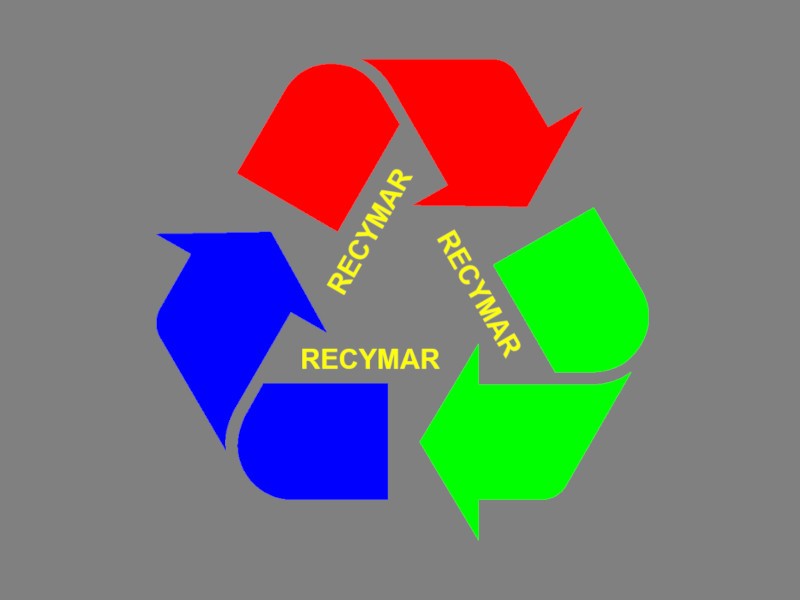
The three principles are:
These three actions create the behavioural foundation of the circular economy.
The objective of the 3R level is simplicity. Waste separation should be easy, understandable, and accessible to everyone.
Once society adopts the principles of 3R, the next step is improving the entire product lifecycle.
The six principles become:
This level shifts attention from waste management to product design and resource efficiency.
Manufacturers begin designing products that last longer.
Consumers become active participants rather than passive buyers.
Municipalities invest in repair centres, reuse facilities, and advanced collection systems.
The objective is no longer simply collecting waste.
The objective becomes preventing waste.
The highest level of the 369 SORTWASTE Method represents an advanced circular economy where products remain in circulation for the maximum possible time.
The nine principles are:
Every resource follows the highest-value pathway before becoming waste.
Products are repaired instead of discarded.
Components are refurbished.
Machines are remanufactured.
Materials are recycled into new raw materials.
Only the remaining fraction is recovered for energy as the final option.
This hierarchy maximizes environmental, economic, and social value.
The strength of the 369 SORTWASTE Method lies in its scalability.
3R establishes environmental habits.
6R redesigns production and consumption systems.
9R closes material loops and enables a regenerative economy.
Each stage supports the next.
No stage is skipped.
No previous achievement is lost.
Applying the 369 SORTWASTE Method can contribute to:
A circular economy based on the 369 SORTWASTE Method creates new opportunities for innovation and employment.
Potential benefits include:
Waste becomes a valuable economic resource rather than an expensive disposal problem.
The method also strengthens environmental education.
Citizens become active participants in resource management.
Schools gain a simple educational framework.
Businesses improve sustainability performance.
Municipalities increase public engagement.
Governments obtain measurable pathways toward national circular economy objectives.
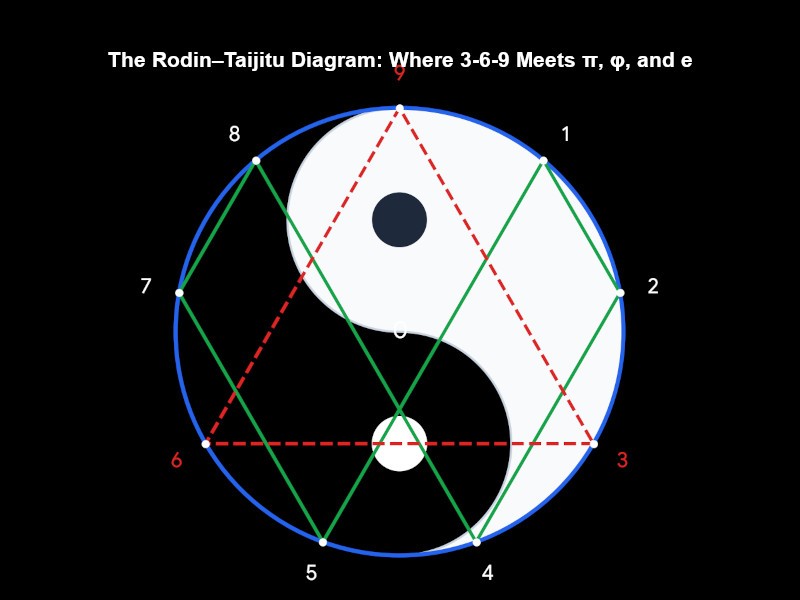
Within the 369 SORTWASTE Method, the numbers represent three successive levels of circularity.
Three establishes the foundation.
Six expands the system into a comprehensive resource management model.
Nine completes the circular loop by maximizing resource recovery before disposal.
Together they create a logical pathway from simple waste separation toward a fully circular economy.
The 369 SORTWASTE Method presents a structured vision for the future of sustainable resource management. By organizing circular economy strategies into the progressive stages of 3R, 6R, and 9R, it provides a practical roadmap that can evolve from basic household participation to advanced industrial circularity.
The method demonstrates that effective waste management is not solely about recycling. It is about redesigning the entire lifecycle of materials so that resources remain in continuous circulation, environmental impacts are minimized, and economic value is preserved for future generations.
The future of waste management is not simply collecting waste—it is eliminating the concept of waste altogether by keeping materials in productive use through an increasingly circular and regenerative economy.